Our Approach
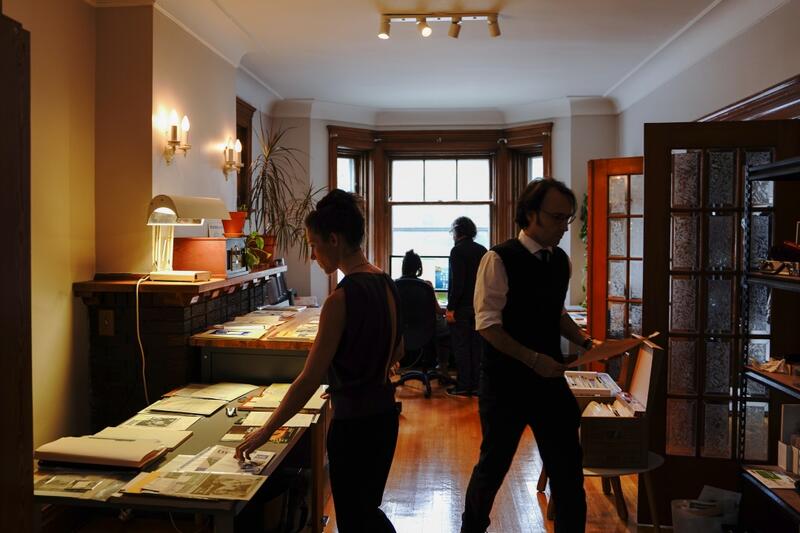
Filigrane Archives is a consulting firm specializing in the management, preservation, and enhancement of records and archives. We work with organizations, community groups, families, and individuals whose contributions have had a significant impact in the cultural, artistic, community, and sports sectors. Our services support day-to-day operations, facilitate the transfer of knowledge and information, and help build and preserve documentary heritage that is essential to family, institutional, social, and collective memory.
Our approach is grounded in an integrated vision of archives, records, and digital information. By combining archival best practices with tailored technological solutions, we help preserve documentary heritage while meeting the operational and administrative needs of the organizations and individuals we support. Our work ensures the long-term sustainability of records, improves their discoverability and accessibility, and reduces the risk of information loss through practices adapted to each client's resources, objectives, and organizational culture.